Blog
The Power of Social: What Social Media is Doing for Heritage Brands
How do heritage brands embrace a social-first world without losing the things that made people care about them in the first place? Find out here.

Everybody wants that coveted blue tick on their profile and we know you do too - no need to be modest 😉. Whilst they aren’t a direct endorsement from Facebook, they do signal notable and authentic accounts to the everyday user. This can obviously be incredibly useful when you become the victim of fake account impersonations or if you need to gain the trust of the masses. But like anything useful, they aren’t always easy to come by (in fact, the process can be quite the opposite). But fear not - because, here at Spin, we will guide you through every step of the process.
Firstly, it's really important to know that Facebook requires the following criteria to be met:
- You must be a real person or a registered business (easy, right?)
- The account must be the singular presence of what you are representing (except for multiple language needs for global accounts).
- The account must be public and have an about section, bio and profile picture (we can help you make a cracking profile).
- The account must have at least one post (make sure to make it a good one).
- It must represent a highly known brand or person (a tad tricky for newbies).
Secondly, Facebook verifies accounts that have been featured in multiple news sources. It's important to know that they don't consider promotional content to be part of this. This news source scan has recently been expanded to include more Black, LGBTQ+ and Latinx sources (wooo!). You can add up to five articles in your application to give Facebook as much context as possible. Don't be shy, it's your chance to show off all your good work.
After submitting, the process also involves Facebook examining your brand's “cultural impact” - pretty vague. Luckily, Facebook gives us some indication of what they search for through the following two prompts: has the account holder gone viral lately? Is the account holder creating a buzz in their community?
And then you wait. Sometimes for quite a while.
Something to bear in mind is that once you (hopefully) receive your blue tick, Facebook recommends creating a two-factor authentication as your account may become the victim of hackers trying to sell your prized possession. Don't let this happen after all your hard work.
If your account doesn't (currently) manage to meet the rigid criteria - don't fret! There are many other ways to let people know your account is authentic. That's exactly what we are experts at. Here are two quick tips:
- Always make sure to link your social accounts from your official website - and other social profiles (like Twitter/Linkedin). Make your own little verified ecosystem - who needs a blue tick anyway?
- Make sure your account produces quality, and meaningful, content. Show a little behind the scenes, create a Q&A with the founder and make the best looking feed the world has ever seen!
A big ask we know - but you can always keep your eyes peeled on our own Instagram for even more expert tips on how to do this. See what we did there? This account is authentic (this one… not so much). Happy Verifying!
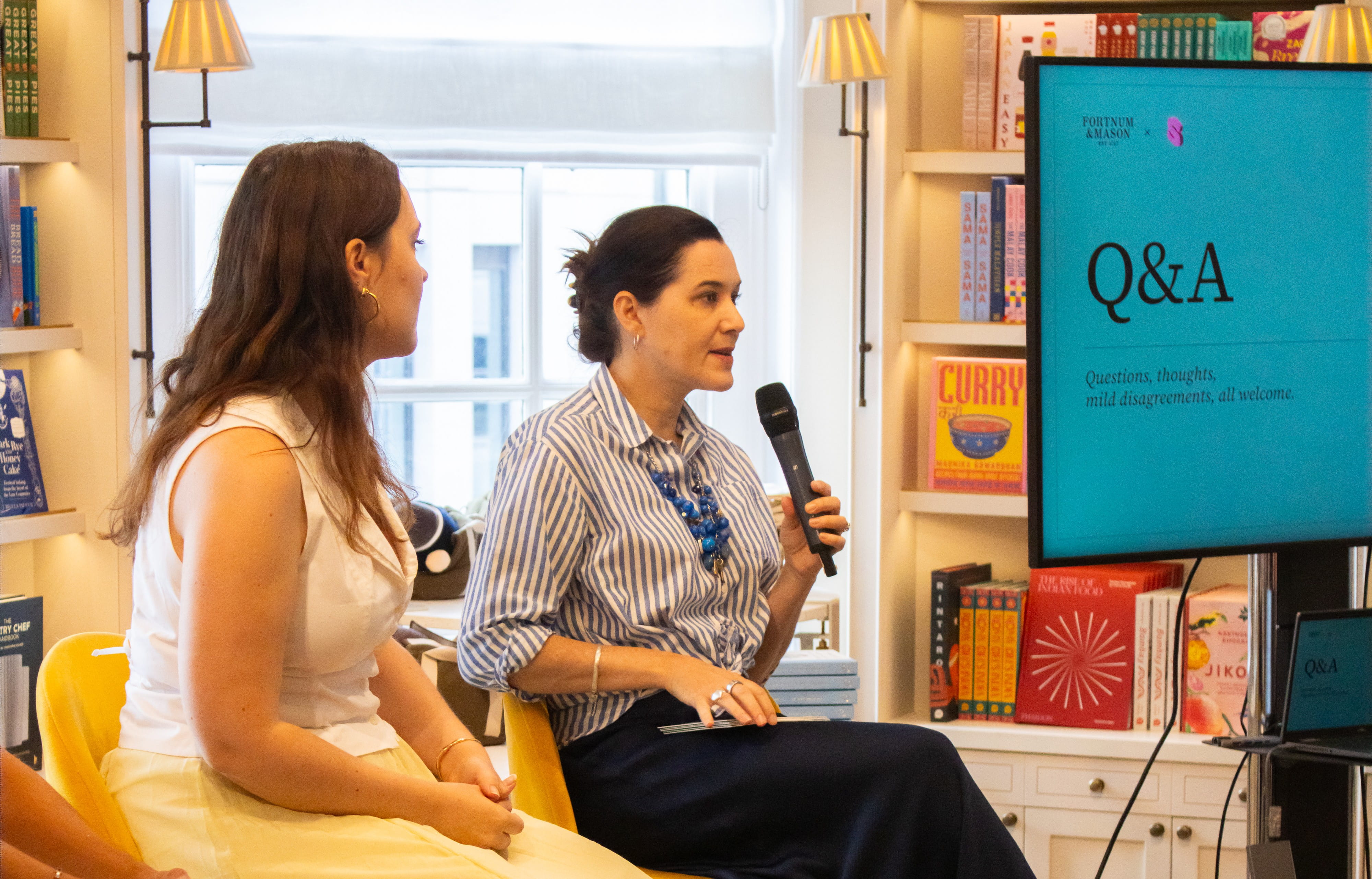
How do heritage brands embrace a social-first world without losing the things that made people care about them in the first place? Find out here.

History gives heritage brands a head start, not a free pass. See why social is essential for staying relevant.

Why local influencer marketing works best when brands choose cultural fluency over follower count.